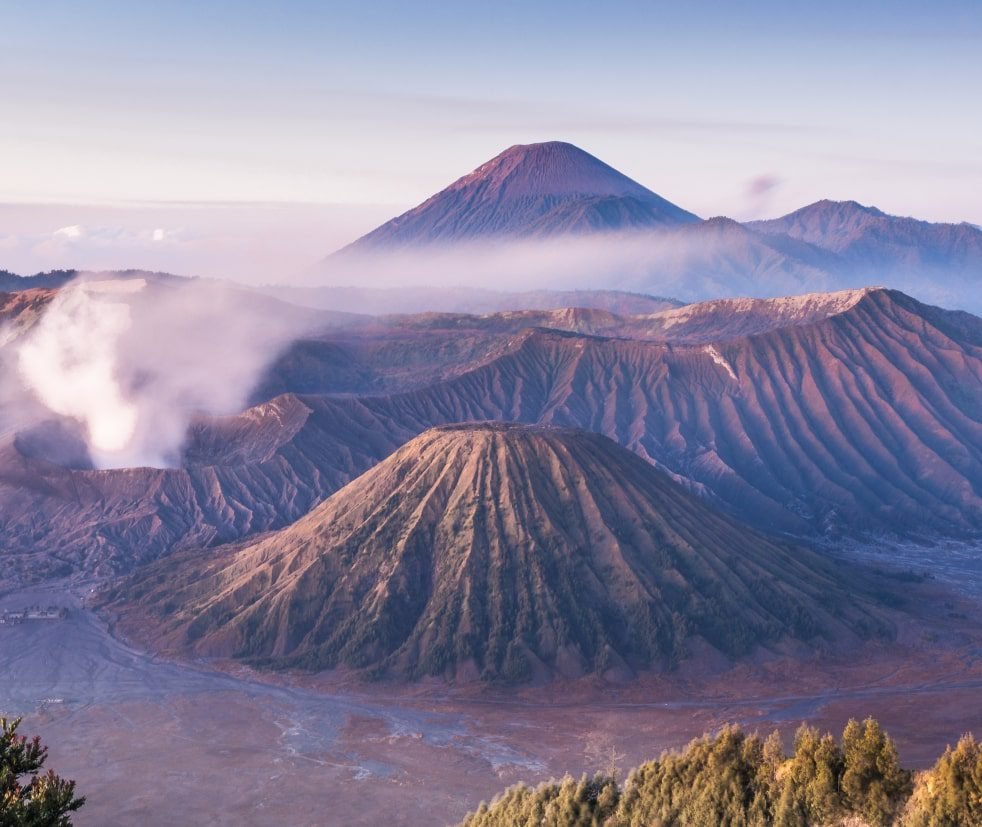
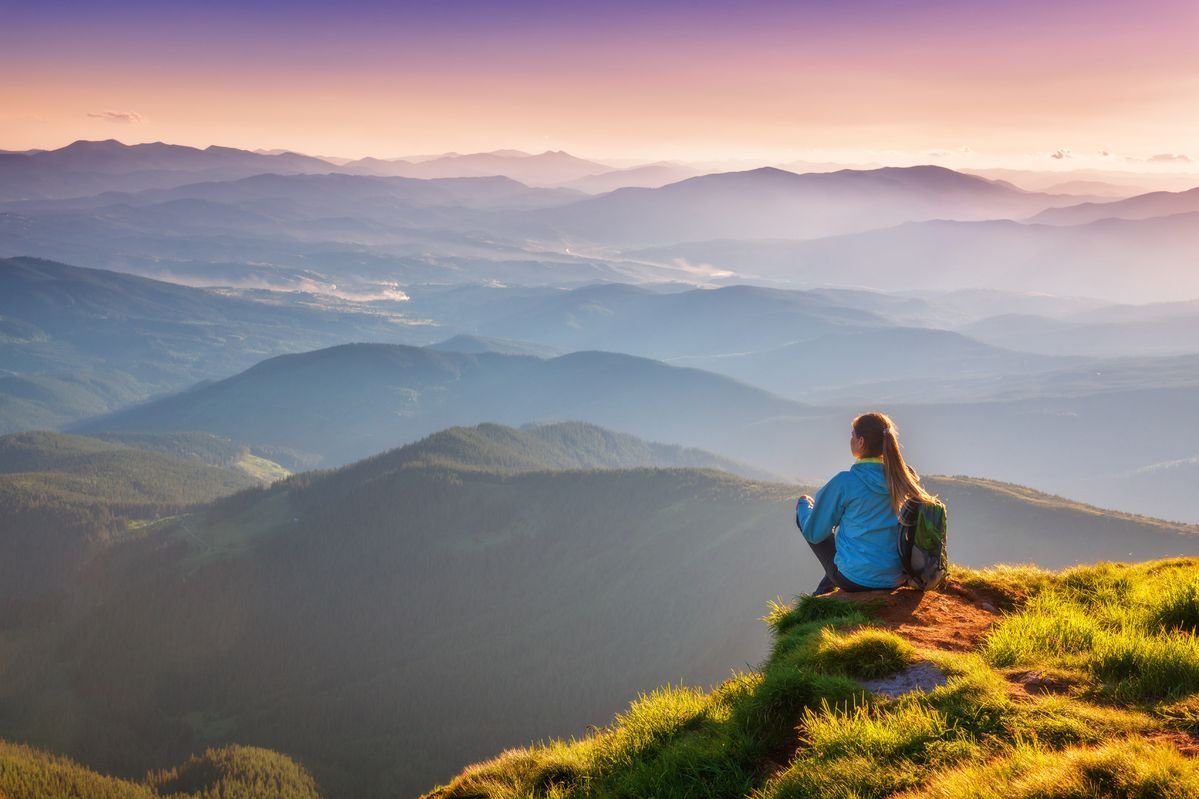
Have you ever wished to escape the city’s noise and heat, and find yourself in a place where the air feels cooler, mountains surround you, and the morning mist almost reaches your balcony while you sip a hot cup of tea? That’s the real charm of a hill station.
Hill stations in India have always been a favorite getaway. Back in the British era, they were built as summer retreats, and today, they’ve become perfect holiday escapes for us. Each hill station has its own unique story—some are full of adventure, some give you romantic vibes, while others simply offer peace and calm.
In this blog, we’ll talk about what hill stations actually are, why they are so popular in India, and which ones should be on your travel bucket list. If you’re planning your next trip, this guide will definitely help you out.
What Are Hill Stations?
A hill station is basically a small town or settlement located in the mountains, usually at a higher altitude than the plains. Because of their height, these places enjoy cooler weather all year round—making them the perfect escape during hot Indian summers.
The idea of hill stations in India dates back to the British colonial era. The British, who found Indian summers too harsh, developed hill towns like Shimla, Ooty, and Darjeeling as their summer retreats. Over time, these spots grew into charming tourist destinations, offering breathtaking landscapes, pleasant climates, and a touch of history.
But hill stations are not just about the weather. They are about the experience—walking through pine forests, sipping tea with a mountain view, visiting old colonial churches or temples, and enjoying the slow, peaceful pace of life that you rarely find in cities.
In short, a hill station is a mix of nature, culture, and relaxation—a little paradise tucked away in the hills.
Why Are Hill Stations So Popular in India?
There’s a reason why hill stations are always on every traveler’s list. They are not just tourist spots—they are refreshing escapes from the fast-paced life of cities. Here are some of the main reasons why people love them:
1. Cool & Pleasant Climate
The biggest reason is the weather. While the plains of India often face scorching summers, hill stations remain cool and pleasant. Whether it’s the snowy winters of Manali or the breezy evenings of Nainital, the climate makes these destinations a year-round favorite.
2. Natural Beauty Everywhere
From snow-capped peaks and lush green valleys to waterfalls, lakes, and dense forests, hill stations are nature’s paradise. Every turn of the road feels like a postcard view.
3. Peace & Relaxation
Unlike crowded cities, hill stations offer peace and quiet. The slow life, fresh air, and scenic surroundings make them perfect for people looking to recharge and escape daily stress.
4. Adventure & Activities
For adventure lovers, hill stations are a playground. Trekking, paragliding, skiing, river rafting, boating, or just hiking in the woods—there’s something for everyone.
5. Romantic Getaways
Hill stations have always been top honeymoon destinations in India. The cozy weather, misty mountains, and breathtaking views create the perfect romantic atmosphere.
6. Blend of Culture & History
Many hill stations still carry the charm of colonial architecture, old temples, monasteries, and local markets. This blend of history, culture, and tradition makes the experience even richer.
Famous Hill Stations in India You Must Visit
India is blessed with dozens of beautiful hill stations spread across the Himalayas, Western Ghats, and other mountain ranges. Each one has its own charm, culture, and experiences to offer. Here are some of the most famous ones you should definitely add to your travel list:
1. Shimla, Himachal Pradesh
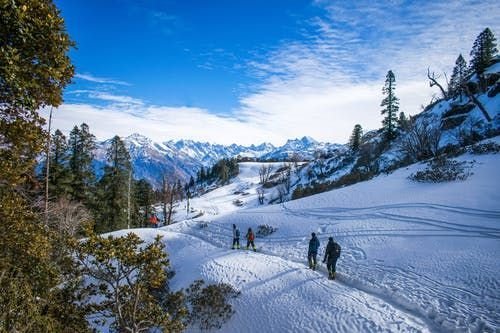
Known as the “Queen of Hills,” Shimla is famous for its colonial charm, Mall Road, toy train rides, and snowy winters. It’s one of the most popular family and honeymoon destinations.
2. Manali, Himachal Pradesh
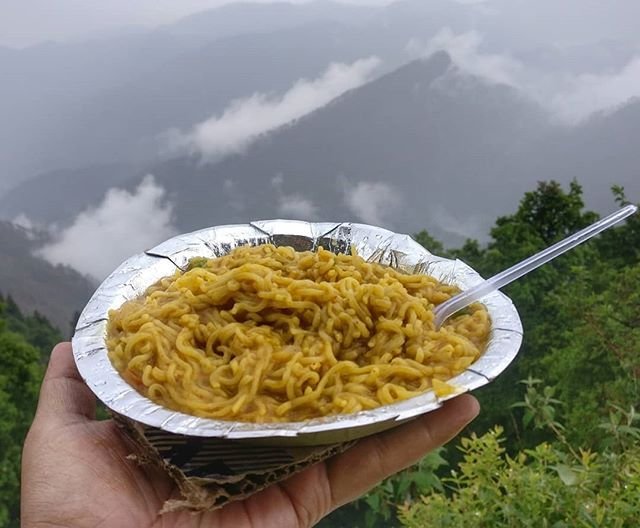
A perfect mix of adventure and beauty, Manali offers stunning views of the Himalayas, trekking trails, paragliding, and winter sports like skiing at Solang Valley.
3. Darjeeling, West Bengal
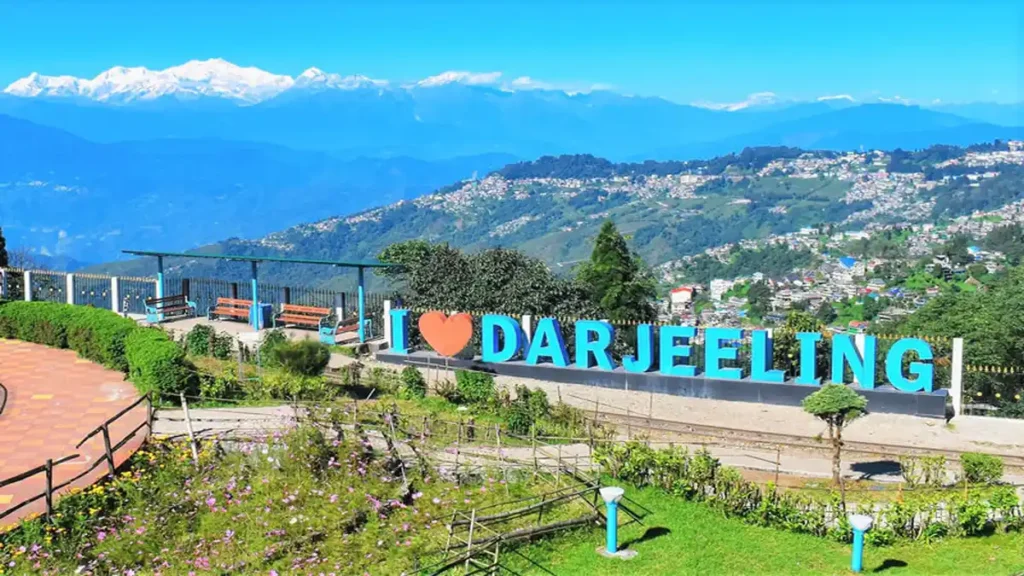
Set against the backdrop of Kanchenjunga, Darjeeling is famous for its tea gardens, toy train (a UNESCO World Heritage), and breathtaking sunrise at Tiger Hill.
4. Ooty, Tamil Nadu
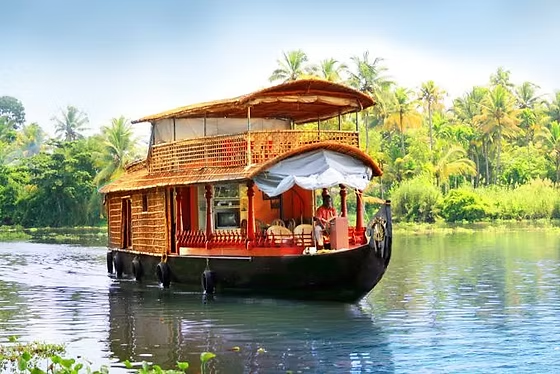
Nicknamed the “Queen of the Nilgiris,” Ooty is loved for its botanical gardens, tea plantations, and the iconic Nilgiri Mountain Railway. A true gem of South India.
5. Nainital, Uttarakhand
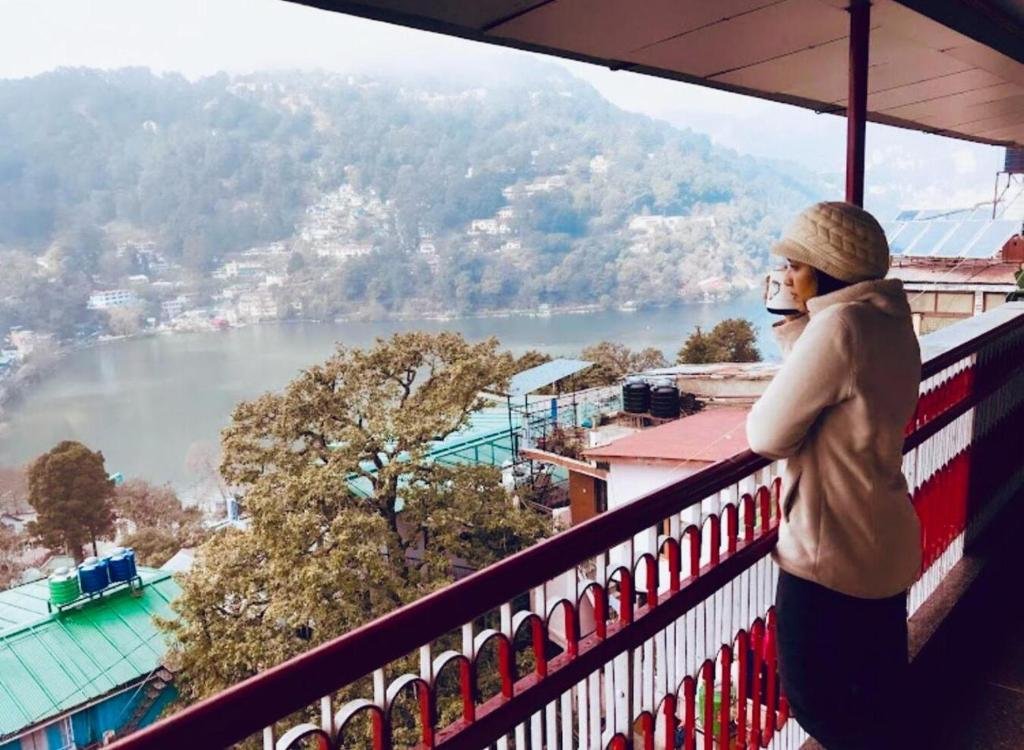
Centered around the beautiful Naini Lake, Nainital offers boating, ropeway rides, and mesmerizing views from Snow View Point. It’s an ideal family getaway.
6. Mussoorie, Uttarakhand
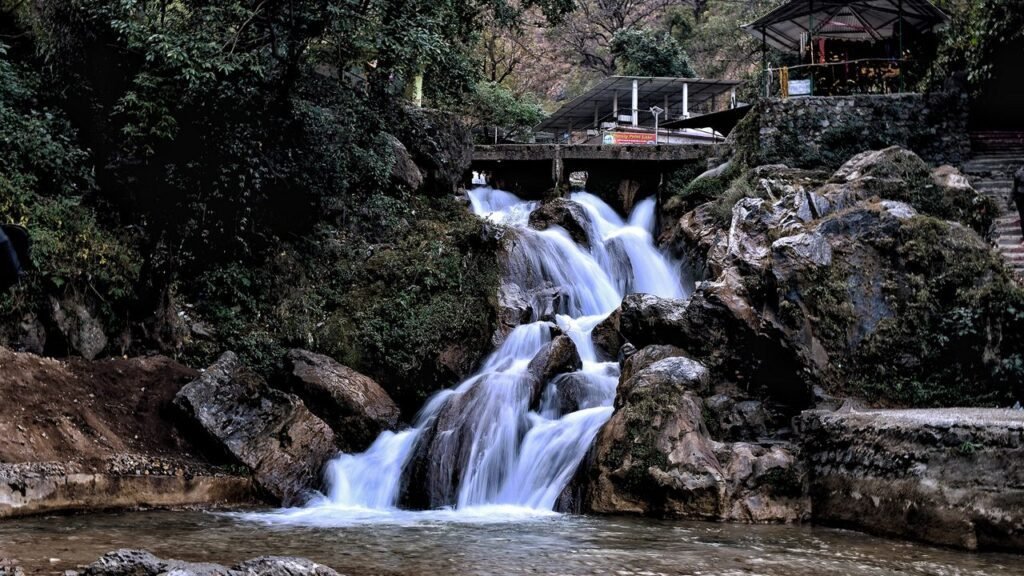
Often called the “Gateway to Yamunotri and Gangotri,” Mussoorie charms travelers with Kempty Falls, Gun Hill, and stunning views of the Doon Valley.
7. Munnar, Kerala

Located in the Western Ghats, Munnar is all about lush green tea plantations, rolling hills, waterfalls, and serene weather—perfect for nature lovers and honeymooners.
8. Leh-Ladakh, Jammu & Kashmir
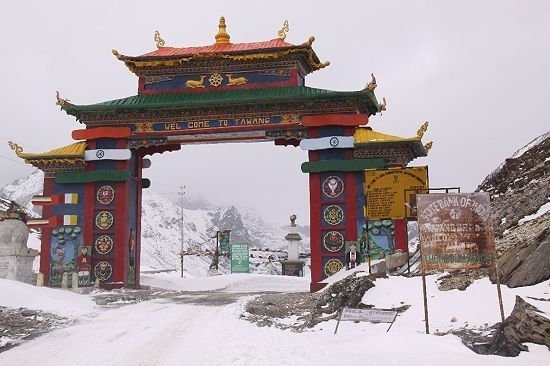
For adventure seekers, nothing beats Ladakh. High-altitude passes, Pangong Lake, monasteries, and the raw beauty of barren mountains make it a dream destination.
9. Coorg, Karnataka
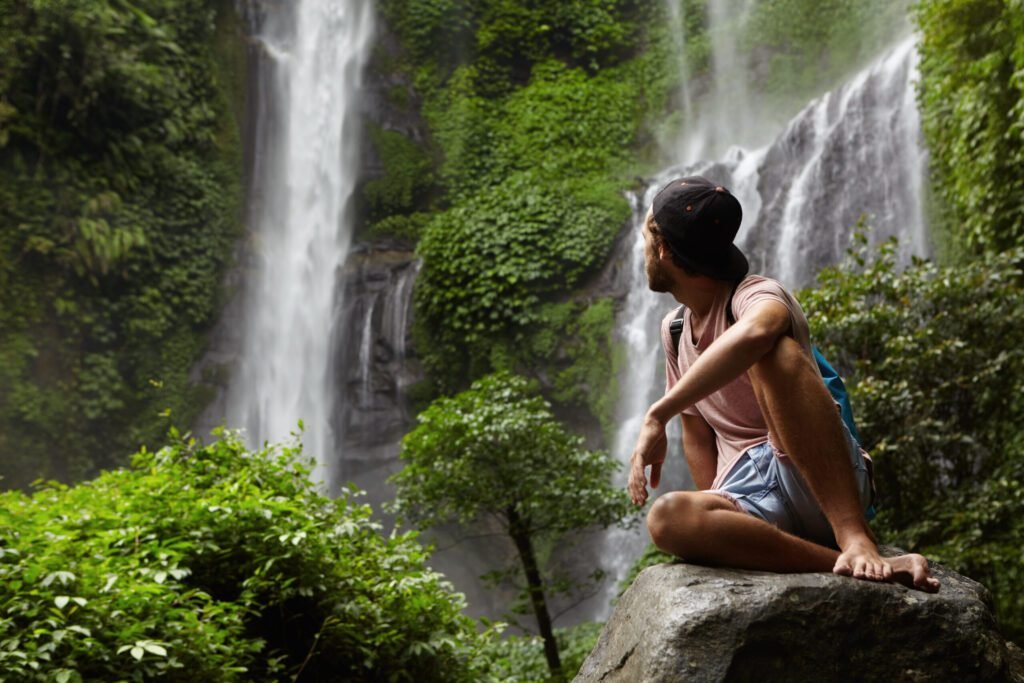
Also known as the “Scotland of India,” Coorg is famous for its coffee plantations, misty hills, Abbey Falls, and rich Kodava culture.
10. Gulmarg, Jammu & Kashmir

A paradise for snow lovers, Gulmarg is famous for skiing, the world’s highest golf course, and the Gulmarg Gondola—one of the highest cable cars in the world.
Tips for Planning Your Hill Station Trip
Before you pack your bags and head to the mountains, a little planning can make your trip smoother and more enjoyable. Here are some helpful tips:
1. Best Time to Visit
Summer (March–June): Perfect for escaping the heat of the plains.
Monsoon (July–September): Hill stations look lush and green, but heavy rains can sometimes cause landslides—travel with caution.
Winter (October–February): Ideal if you love snow and chilly weather, especially in places like Manali, Gulmarg, or Shimla.
2. Pack Smart
Carry warm clothes, even if you’re traveling in summer—mountains can get unexpectedly cold at night.
Comfortable walking shoes are a must for exploring trails and markets.
Don’t forget essentials like sunscreen, sunglasses, and an umbrella or raincoat
3. Travel Options
Most hill stations are well connected by road and rail. Many even have nearby airports (like Bagdogra for Darjeeling or Dehradun for Mussoorie).
Toy trains, like those in Shimla, Ooty, and Darjeeling, offer a fun and scenic way to reach.
4. Book in Advance
Hill stations are popular, especially during summer and festive holidays. Book your hotels and transport early to avoid last-minute hassles.
5. Stay Local & Explore
Try homestays or boutique resorts for a more authentic experience. Don’t miss local food, markets, and cultural events—they’ll give you a real taste of the region.
6. Health & Safety
Carry basic medicines and stay hydrated.
If you’re going to higher altitudes like Ladakh, take it slow to avoid altitude sickness.
Always keep an eye on local weather updates.
Conclusion
Hill stations in India have always been more than just travel destinations. They are places where time slows down, where you can breathe fresh air, and where every view looks like a painting. From the snowy slopes of Gulmarg to the tea-scented breeze of Munnar, each hill station carries its own charm and magic.
What makes them so special is not just the cool weather, but the experience they offer. Walking down pine-covered trails, listening to the sound of rivers and waterfalls, exploring small local markets, or simply sitting quietly on a hillside—all of these moments create memories that stay with you long after the trip is over.